Before we shoot, we'll review all of your wardrobe options together to make sure each look photographs well and represents the roles or professional branding you want to book.
Bring options
Different colors, textures, and styles photograph differently, so bring several choices. A typical session may include:
- Casual / everyday
- Professional / business
- Edgy or fashion-forward
- Character-specific looks (for actors)
Best colors
Certain colors draw attention to your face and eyes. Solid colors usually work best:
- Deep blues
- Emerald green
- Burgundy or wine
- Charcoal gray
- Olive green
- Cream or neutral tones
- Warm earth tones like rust
Colors to avoid
Some colors and patterns are distracting or hard for cameras to capture. Try to avoid:
- Neon colors
- Small patterns or busy prints
- Thin stripes or tight patterns
- Large logos or graphics
- Distracting textures
When in doubt, simple and solid almost always wins.
Fit matters
Clothing should be well-fitted and flattering — avoid anything overly baggy or extremely tight. A tailored, clean look always photographs better. Layers like jackets, sweaters, or button-downs add variety and dimension.
Accessories
Keep accessories minimal and intentional — simple jewelry, watches, jackets, or layers. Avoid anything that pulls attention from your face. If you wear glasses, bring frames without lenses if possible to avoid glare.
Hair & makeup
Professional hair and makeup is highly recommended, especially for women. Makeup for photography differs from everyday makeup and helps your skin tones and features photograph beautifully. For many sessions, a professional MUA is available and stays on set for touch-ups between looks.
Wardrobe ideas for actors
Actors should choose wardrobe that represents the roles they want to book, so casting can quickly see how you'd fit different characters.
Commercial / friendly roles
- Casual shirts or sweaters
- Soft colors
- Denim or relaxed tops
- Light layers
Professional / authority roles
- Blazers or jackets
- Button-down shirts
- Structured tops
- Neutral or darker tones
Edgy or dramatic roles
- Darker colors
- Leather jackets
- Unique textures
- Bolder styling
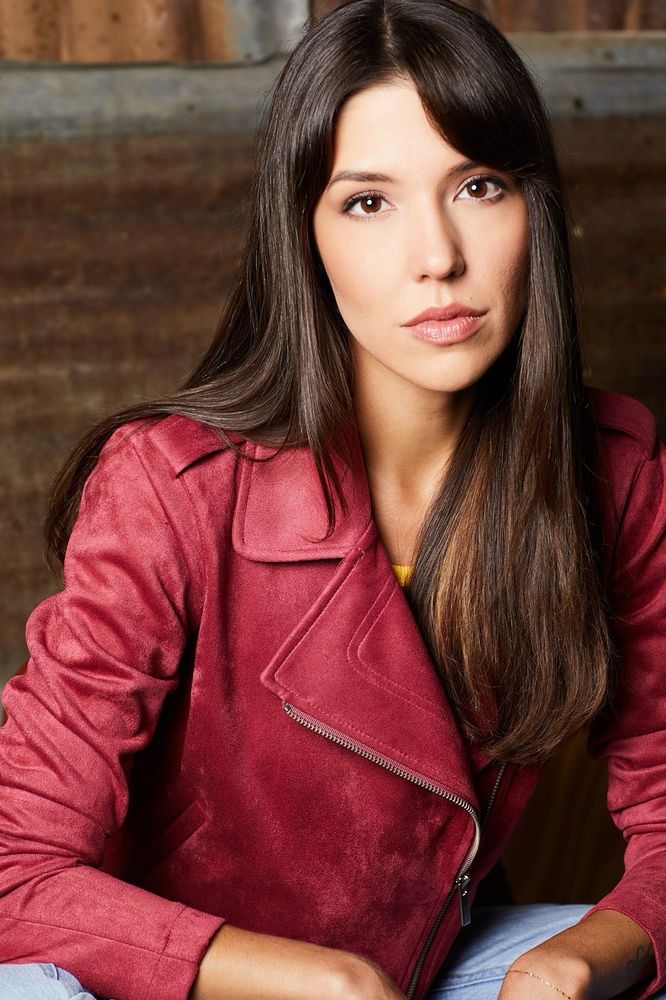
Women
- Tank tops (any variety of straps)
- T-shirts (different cuts & colors)
- Dressy tops (lace and interesting textures)
- Layers: blazers, leather or denim jackets, hoodies, cardigans
- Dresses with a great top portion work too
- Sweaters, plaid shirts, or flannels
- A pair of jeans or pants you don't mind being photographed in
Please bring the appropriate undergarments for your clothing (nude bra, strapless bra, pasties, etc.).
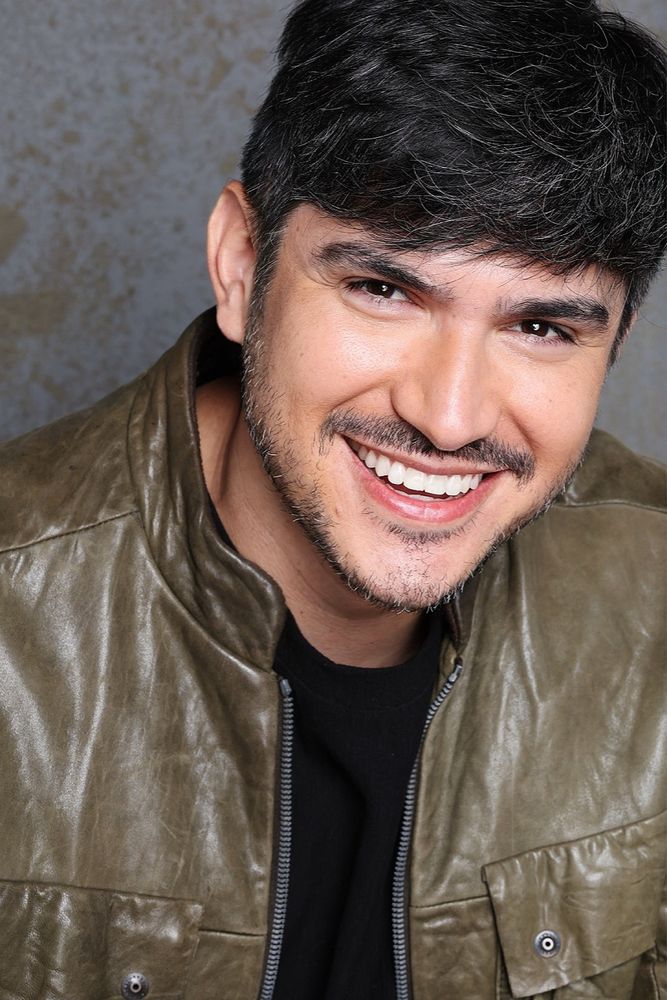
Men
- T-shirts (v-neck, crew, gray, black, and a variety of colors)
- Jacket layers: leather, denim, cargo, hoodies, etc.
- Dress shirt / button-down (bring ties, suit jackets, or anything to change the vibe)
- Henleys or flannels are great
- Jeans or pants you don't mind being photographed in, plus sweaters
- Planning to shave? Let us know in advance and bring your own tools — a restroom is available
What to bring
- 3–5 wardrobe options
- Neutral and darker color choices
- Simple accessories (optional)
- Clean shoes if they'll appear in photos
- Oil blotting sheets or powder if needed
Final tip: The best wardrobe is clothing that makes you feel confident, comfortable, and like yourself. When you feel great in what you're wearing, it shows — and I'll guide you through the whole process.